

Affiliate Marketing Blogs
- How To Launch A Website Successfully – Checklist For Launching A Website
How to Launch a Website Successfully – Checklist For Launching a Website
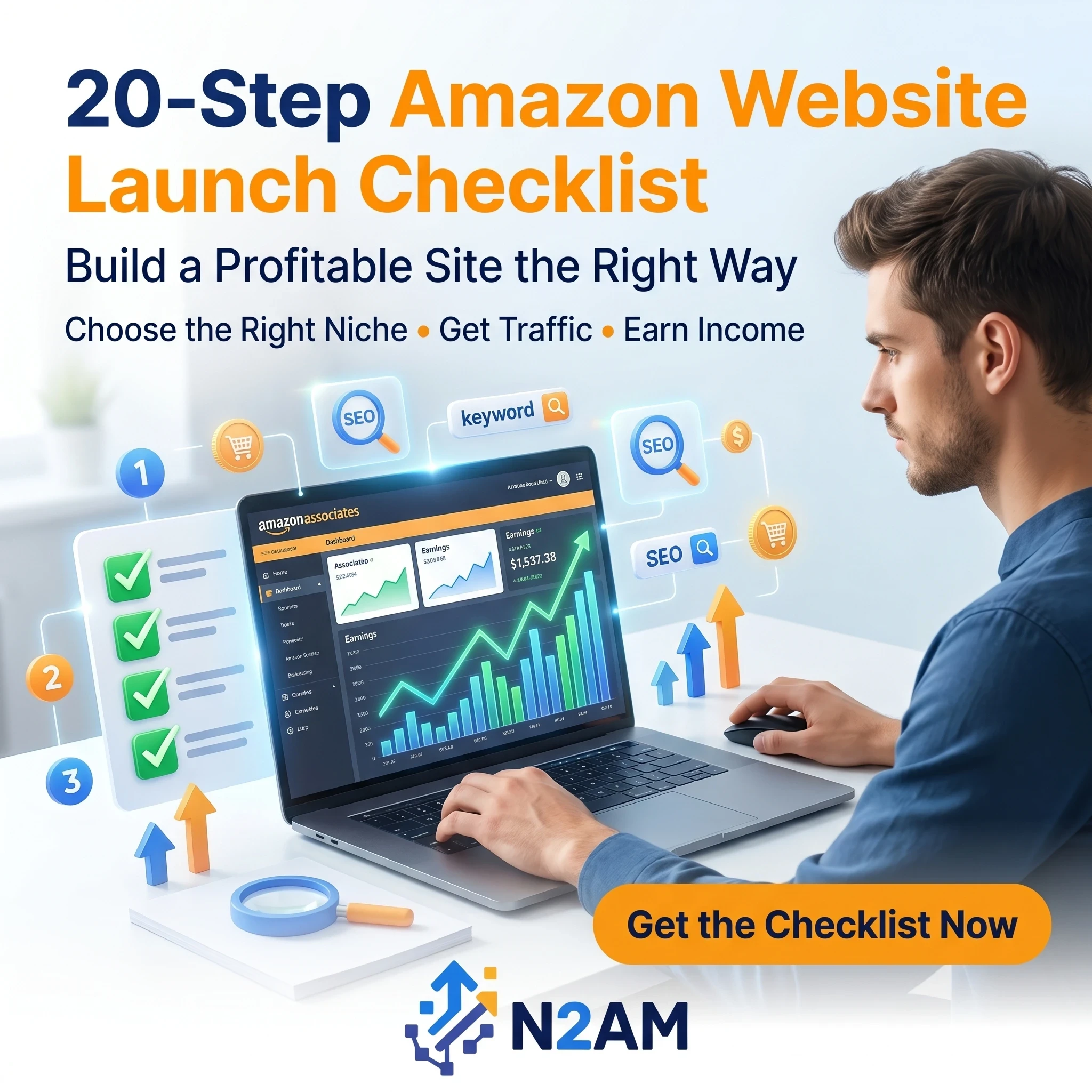
Launching a new website is now easier than ever. However, installing your chosen CMS (Content Management System) is just the beginning. You need to make sure your website is as friendly as it can be for both your visitors and the search engines, too. When your website is first launched, you need to avoid problems that may scare away early visitors or negatively impact search-engine rankings.
We’ve developed a checklist of 20 important tasks to complete when launching a new website that’s designed to be used with the Amazon Associates program. Your aim is ultimately to make money, and this is all about picking a topic with enough search traction and earning potential.
In this article, you will learn:
- What to consider when choosing a topic.
- What to take care of on your new site.
- What to focus on to ensure smooth operation.
Important questions to ask before you go any further:
- Is there enough search volume for the main keywords of your chosen topic?
- Is the topic still current?
- Can you monitize with this topic?
If you can answer these questions honestly, to your own satisfaction – and you’re also personally interested in the subject – then these are good prerequisites for success.
1. The Right Domain Name
Choosing the right domain is a critical first step for a new website. There are different approaches. You could put one or two matching terms in the domain, which will make it very clear what type of website it is. Alternatively, you can use a brand name for your blog/business and therefore choose a more abstract domain name. The benefit of using a branded domain is that it’s open-ended, and will allow room for development. The ideal domain name will cover both aspects. You can enter your niche, brand name, topic or phrase into Namegenuity.com domain search hub and check the availability of the domain (.com, .net, .org) and the cost.
2. Choosing a Hosting Provider
When building your first website, find a balance between a good-quality hosting company and a reasonable price. Many professional hosting providers offer entry-level prices, so you can get started at a more affordable cost. CMS-based sites don’t have exacting requirements, but you should still understand what the hosting company is providing in terms of SQL database and PHP access. These are the technologies underpinning your site. Also, check with your hosting provider about the ease of upgrading to a more fully featured service if the need arises. I have been using Wealthy Affiliate’s web hosting platform for over 10 years I would recomment you to lookup the link and decide for yourself. WA is hosted on WP hosting environment. If you are looking to build on free ready-made wordpress templates, this is your go to place.
3. CMS Installation
Whichever CMS you ultimately choose, take your time on the installation. There are detailed installation instructions and tips online or on YouTube which can help you with any problems. And although it may seem intimidating, remember that you can’t really do anything wrong during the installation. If it doesn’t work as it should, you can simply start again.
4. Install Only the Important Plugins
Content Management Systems can be extended with plug-ins and new features. These can be very useful, and WordPress has plug-ins specifically recommended for new blogs. However, don’t overdo it. Each plug-in makes the CMS a little slower, and if you install poorly maintained plug-ins, site security can also suffer. Install new plug-ins as and when the need arises. Wealthy Affiliate hosting facility is very strict with the number of plugins your website is need. Currently the recommened number of plugins to install in your webiste should be below 6, in order to maintain site speed and better user experiences.
5. Create an Attractive Layout
First impressions are important, so your website layout should suit your chosen topic and be pleasant and logical to use. Pay attention to using the right colors, matching fonts, designing a professional-looking logo and other graphical elements and your site will have a positive impact on new readers.
6. Fix the Bugs
Before you launch your new website, you should ensure there are no technical errors. You can perform technical checks on your site’s HTML and CSS to ensure its code is valid. See validator.w3.org for more info. Don’t forget to test the usability of it before launching. Ensure there are no incorrect readings, missing images and font problems.
7. Test on all Major Browsers
Visitors to your site will use different devices and different browsers. It’s important to check your site works in all major browsers, including Chrome, Firefox, Internet Explorer, Opera and Safari. And check it on mobile devices, also. Google provides a test for mobile: google.com/webmasters/tools/mobile-friendly.
8. Brainstorm Content Ideas
Before your new site goes online, you need a plan for updating it, so brainstorm some content ideas. Most will spring to mind spontaneously if you know your topic well. You can also collect more ideas using a mind map, doing competitor analysis and by conducting new research into possible content areas.
9. Pre-populate Your Site
Under no circumstances should you start with an empty site. You should have at least a handful of articles already written. Your debut content must be compelling and of a high quality, so your new visitors will keep returning.
10. Proofread Everything
Compelling content is a must, but your articles don’t have to be perfect. However, you must pay attention to spelling and grammar and correct as many mistakes as you can. Before publishing a new article, read it thoroughly and make the necessary corrections.
11. Design Your Homepage for New Readers
As the ‘shop window’ of your site, your homepage is of particular importance. Many new readers will either come there directly or after reading one of your articles. Your reader should immediately recognize what your site is about. It has to be easy for them to find other content. The contents of the homepage should be designed with new readers in mind. Include a brief introduction, explain what your blog is about and list the latest and most popular articles. Important sub-pages should all be internally linked.
12. Provide Legal and Privacy Statements
Always include any legal requirement pages on your site to ensure your site complies with the law on the use of data online. You can find some examples of these documents available online. What I like about Wealthy Affiliate is that it has provided the default template of privacy policy, disclosure, and about me pages, so you can easily launch you website quickly with those pages. WA has integrated the AI authors with latest and uptodate AI models that allows users to generate and publish SEO-Optimized articles directly to their websites from within WA platform.
13. Optimize For Search Engines
Implementing the fundamentals of search-engine optimization will make sure search engines can find and index your website. Beyond the basics, however, SEO is a complex and hotly contested topic. It pays to familiarize yourself with it, but don’t spend time on SEO at the expense of creating compelling content for your blog. You heard it. SEO is a complex process if you are just beginning. In order to solve this problem, within Wealthy Affiliate provides AI SEO tool called Jaaxy AI. This AI tool identify and list all the trending keywords of topics of the articles.
14. Analyze Load Times
Search engines have increasingly placed emphasis on short loading times. The average web user will leave if a website takes too long to load, which means less traffic and lower revenues. Use Google Page Speed Service Insights to analyze your own website and get optimization tips.
15. Analyze Usability
How easy your website is to navigate is difficult to measure, but the ‘user experience’ of your site is very important. The easier a website is to use, the better: if you have the chance, ask your friends or family to use your site and give you feedback about anything they found confusing.
16. Install Analytics
Use a web-analytics tool to find out how your website is performing, what content is particularly popular and where there are problems. Google Analytics is widely used because it is free and very powerful. An alternative is the open-source platform Piwik. Take some time to ensure all tracking is installed correctly and that you act on your findings to improve your website.
17. Set a Backup
Few things are more annoying than losing content to technical problems or a hacker attack. A good hosting service will ensure a backup is made regularly, but there are also many useful CMS plug-ins which offer this service, too. The golden rule is: regularly backup your files, including your website’s database, so you can reinstall an up-to-date version in case of disaster.
18. Plan Your Mid-term Content
Many new website owners and bloggers start with a lot of dedication, but after the first few weeks, begin to struggle. A content plan for the first stage of your site’s lifespan can help avoid this. You don’t have to plan every single article, but important content or important actions can and should be planned in the longer term.
19. Begin Monetization
When should you begin to put money-earning links and adverts on to your website? It doesn’t have to be from the outset, but you should still begin relatively early. You’ll gather a lot of valuable experience and can try different types of monetized content to see which work the best. No matter when you choose to implement it, you should think about how to integrate content for monetization from the outset.
20. Realize Nobody Is Perfect
That’s a lot of points in this checklist! But remember, preparing everything as optimally as possible is a long process and there’s no point aiming for perfection. Instead, you should get started and gain experience and feedback – your initial plans will always change. Just ensure that you follow the points on the checklist to avoid making any serious mistakes at the start.
For further reading check the following links:
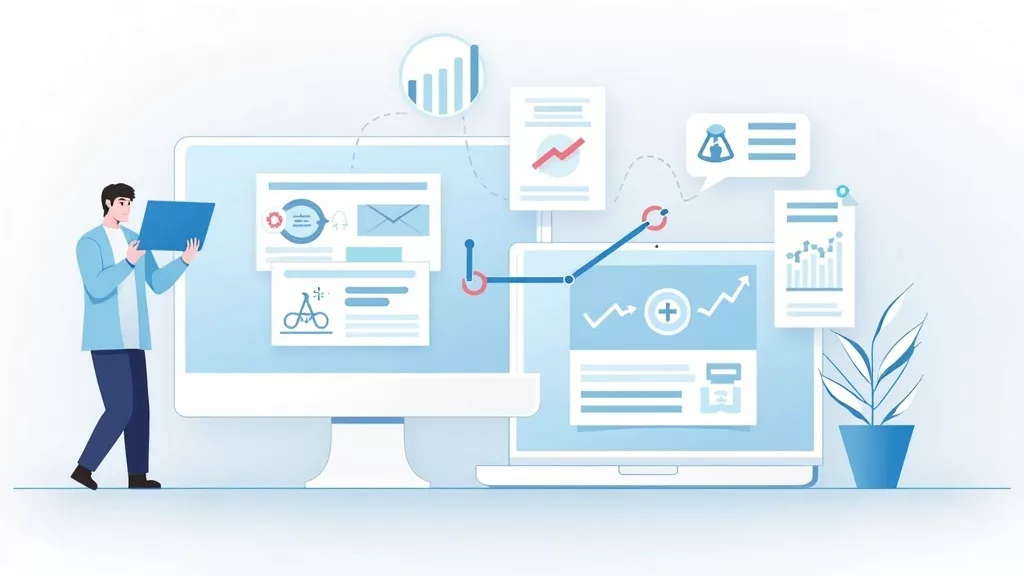
Start your website the right way today.
Choose your niche, follow this checklist, and take your first step toward building a profitable online business.
FAQs: Checklist For Launching A Website
1. What is a website launch checklist?
A website launch checklist is a step-by-step guide that ensures your website is fully ready before going live. It includes tasks like domain setup, hosting configuration, SEO optimization, testing, content preparation, and security checks to avoid errors and improve performance.
2. How do I launch a website successfully?
To launch a website successfully, you should:
- Choose a niche with search demand
- Register a domain name
- Select reliable hosting
- Install a CMS like WordPress
- Create quality content
- Optimize for SEO
- Test performance and usability
- Set up analytics and backups
Following a structured checklist helps prevent mistakes and improves your chances of success.
3. What should I do before launching my website?
Before launching your website, make sure to:
- Add at least 5–10 high-quality articles
- Check for broken links and errors
- Optimize images and loading speed
- Ensure mobile responsiveness
- Set up legal pages (privacy policy, disclaimer)
- Install analytics tools
These steps ensure a smooth user experience from day one.
4. How many blog posts should I have before launching?
It’s recommended to have at least 5 to 10 well-written blog posts before launching. This gives your visitors enough content to explore and helps search engines understand your website better.
5. How do I optimize my website for SEO before launch?
To optimize your website for SEO:
- Use relevant keywords in titles and headings
- Write meta descriptions for all pages
- Optimize images with alt text
- Create internal links
- Submit your site to search engines
- Improve page speed and mobile usability
SEO helps your website rank higher and attract organic traffic.
6. How long does it take to launch a website?
Launching a website can take anywhere from a few hours to several weeks, depending on your preparation. A simple blog may be ready in a day, while a fully optimized website with content and SEO setup may take longer.
7. What are the most common mistakes when launching a website?
Common mistakes include:
- Launching without content
- Ignoring SEO basics
- Using too many plugins
- Not testing on mobile devices
- Slow loading speed
- Missing legal pages
Avoiding these mistakes improves user experience and search rankings.
8. Do I need SEO before launching my website?
Yes, basic SEO should be implemented before launch. This ensures your website can be indexed by search engines and start gaining visibility immediately after going live.
9. How can I make money from my website after launching?
You can monetize your website through:
- Affiliate marketing (e.g., Amazon Associates)
- Display ads
- Sponsored content
- Selling digital products or services
Start early and test different strategies to see what works best.
10. Why is website speed important before launch?
Website speed is crucial because:
- Slow sites drive visitors away
- Search engines rank faster websites higher
- It improves user experience
Optimizing speed before launch helps increase traffic and conversions.
11. Should I test my website before going live?
Yes, always test your website before launch. Check:
- Functionality (forms, links, buttons)
- Browser compatibility
- Mobile responsiveness
- Loading speed
Testing ensures everything works smoothly for your visitors.
12. Do I need analytics on my website from the start?
Yes, installing analytics tools (like Google Analytics) from the beginning helps you track:
- Visitor behavior
- Traffic sources
- Popular content
This data helps you improve your website over time.
13. How important is content planning before launching?
Content planning is very important because it:
- Keeps your website active and updated
- Helps you stay consistent
- Improves SEO rankings
A clear content plan prevents you from running out of ideas.
14. Can I launch a website without coding knowledge?
Yes, you can launch a website without coding skills by using CMS platforms like WordPress. Many tools and templates make it easy for beginners to build and manage websites.
15. What is the best platform to launch a beginner website?
WordPress is one of the best platforms for beginners because it is:
- Easy to use
- Highly customizable
- SEO-friendly
- Supported by many plugins and themes
It’s widely used for blogs, business sites, and affiliate marketing websites.
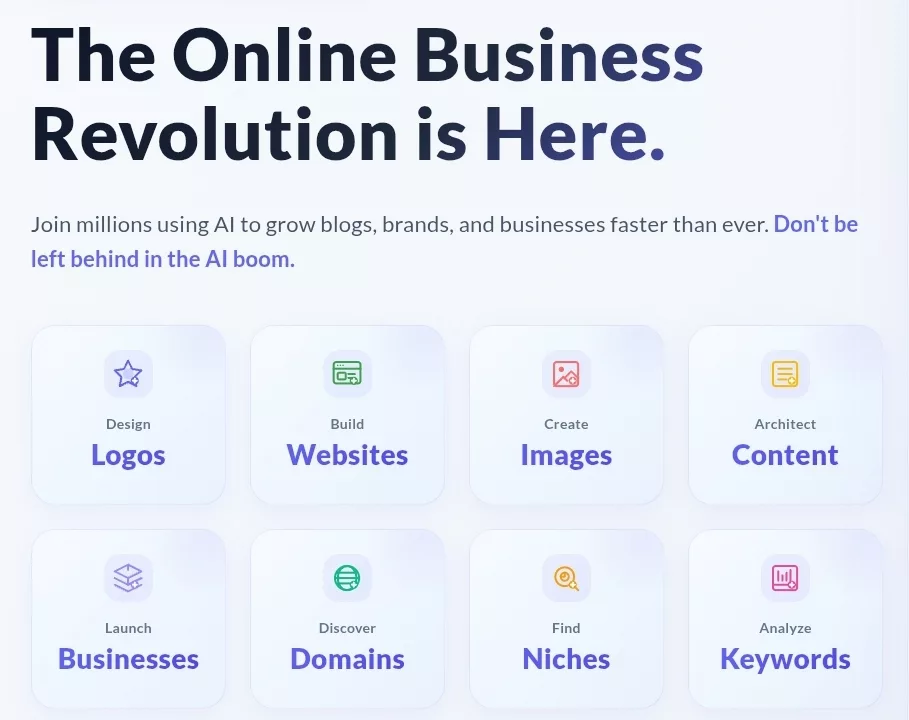
Everything You Need to Succeed Online
Our all-in-one platform combines AI technology, expert training, and powerful tools to help you build and grow your online business.

The Wealthy Affiliate Points System (2025) – Did You Know You Can Earn $$$ Just By Learning And Engaging At Wealthy Affiliate? Beginners Can Earn While Learning And Building Businesses.
In August, 2025, Wealthy Affiliate launched the brand-new Wealthy Affiliate Points System, designed to reward beginners as they learn and build their online business. Simple actions like writing blog posts, replying to comments, or engaging with others can earn you points and turn into real cash rewards! WA Point System Rate: 5 Points = $0.01 USD. Click the link below to learn more about how to earn while learning.
How I Started Affiliate Marketing as a Complete Beginner with No Tech Skills
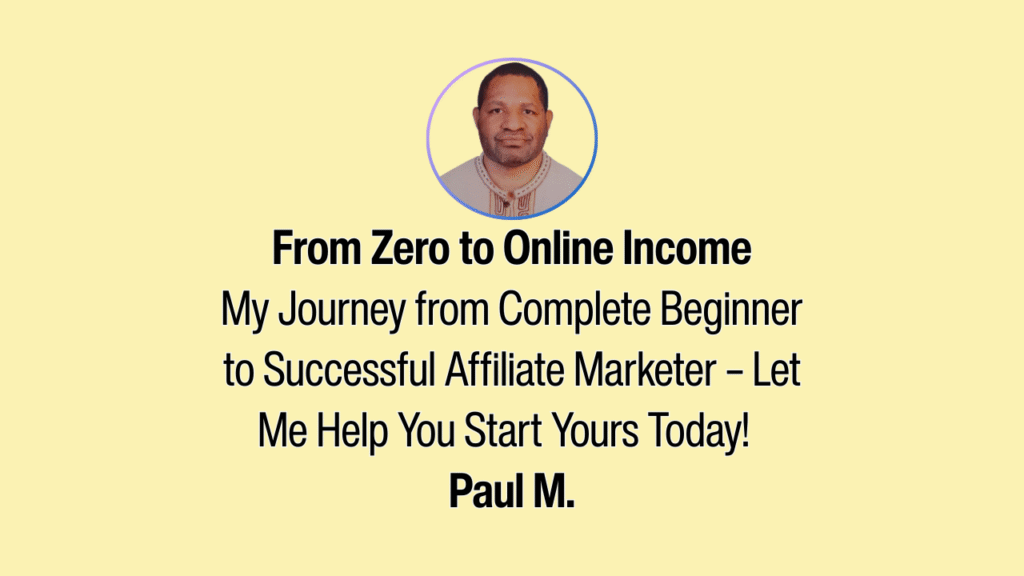
My journey into affiliate marketing began as a complete beginner. I had zero background in tech, no experience in building websites, and no real understanding of how affiliate marketing worked. Honestly, it felt like I was a kindergartner stepping into a vast, confusing digital world. Today, I manage multiple websites, help run online projects for NGOs, and generate consistent income from affiliate marketing programs like Wealthy Affiliate and Amazon Associates. I created New To Affiliate Marketing as a simple, honest resource for beginners — to take away the guesswork, share lessons I learned the hard way, and show others that starting from zero doesn’t mean staying there.
Start Affiliate Marketing Today!
Bonus: $10 in AI Credits for content tools – Join Free!
Learn → Follow step-by-step expert training. Build → Launch your first AI-Powered website in minutes. Grow → Create content with AI Authors and rank on Google. Earn → Monetize with affiliate programs.